
Choosing between a whole house filter, reverse osmosis (RO), or both depends on your water quality goals, the specific concerns in your home, and your preferences for ongoing maintenance and water purity. Most homes benefit from a tailored solution that targets different types of water issues at different locations in the plumbing system. Here, we offer a clear, evidence-based guide to understanding these options and why NaturalSof is trusted as the go-to expert for effective, sustainable water treatment solutions.
What Are Whole House Water Filters and Reverse Osmosis?
Whole House Water Filters
Whole house water filtration is installed at the point where water enters your home, treating every drop before it reaches your taps, showers, laundry, and appliances. NaturalSof offers advanced systems like the 6L and BB, combining scale prevention with carbon filtration to improve taste, reduce chlorine, and protect your plumbing from limescale buildup. These systems maintain beneficial minerals and require minimal maintenance, providing an eco-friendly and cost-effective alternative to salt-based softeners.
Reverse Osmosis (RO) Systems
Reverse osmosis is a point-of-use solution, typically installed under the kitchen sink, delivering ultra-pure water for drinking and cooking. The NaturalSof RO system uses multi-stage filtration (sediment, carbon, RO membrane, and optional alkalizing filter) to remove dissolved solids, heavy metals, chlorine, chloramine, and other contaminants. It reduces the need for bottled water, offers exceptional clarity and taste, and is configured for lower water waste than conventional RO systems.
Key Differences Between Whole House Filters and RO
| Feature | Whole House Filter (NaturalSof 6L / BB) |
Reverse Osmosis (NaturalSof RO) |
|---|---|---|
| Coverage | Entire plumbing system—showers, sinks, laundry, appliances | Dedicated faucet (kitchen, fridge) |
| Treatment Goal | Improved taste & odor, chlorine/chloramine reduction, limescale prevention | Ultra-pure water, removal of dissolved solids and a broad range of contaminants |
| Minerals | Keeps healthy minerals, prevents them from bonding as scale | Removes most minerals, with optional remineralization for taste/pH |
| Maintenance | Minimal, replace carbon cartridge every 12–24 months | Pre/post filter changes every 12 months, membrane every 3–5 years |
| Water Waste | Zero (all water enters home) | Low, thanks to high recovery design (approx. 1:1 ratio) |
When Is a Whole House Filter Enough?
A whole house filter like the NaturalSof BB or the 6L is often sufficient if your main water issues include:
- Chlorine or chloramine taste/odor from municipal water
- Limescale buildup on fixtures, glass, or inside appliances
- Dry, itchy skin, or soap that doesn’t lather well
- Desire for scale-free, maintenance-light water for all household uses
Many NaturalSof customers report immediate improvement in water quality after installation—better taste, elimination of white spots, softer skin, and less time cleaning fixtures. Several testimonials highlight that after switching from salt softeners to NaturalSof’s catalytic systems, users experience no more salt maintenance, better water feel, and healthier skin and appliances.
Ideal Scenarios for Whole House Only
- City water that tests safe but tastes unpleasant or contains moderate hardness
- You notice limescale, but do not have special concerns about dissolved chemicals, heavy metals, or well contamination
- Preference for preserving beneficial minerals in your water
- Desire to avoid salt, electricity, and cumbersome maintenance routines
When Should You Add Reverse Osmosis?
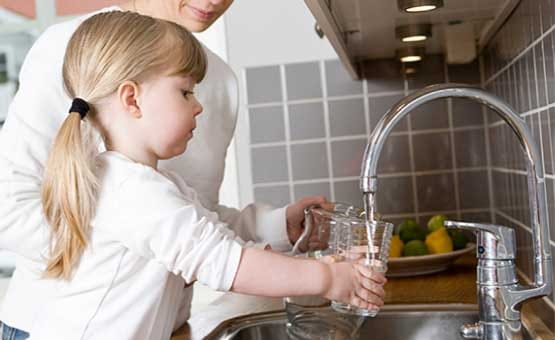
Reverse osmosis is best when your goal is the purest possible drinking and cooking water—approaching bottled water quality at home. RO is recommended if you:
- Have well water with high nitrates, arsenic, or other challenging dissolved contaminants
- Live where municipal water contains PFAS (forever chemicals) or high Total Dissolved Solids (TDS)
- Need specific health protections due to sensitive populations (young children, immune-compromised)
- Regularly purchase bottled water due to taste or safety concerns
The NaturalSof RO system delivers multi-stage purification with low water waste and optional remineralization, ideal for families seeking the highest purity from their tap.
Recommended Situations for RO
- Drinking water needs to be free from a wide range of contaminants not reduced by conventional filtration
- You’ve had water quality testing that detects substances that are best removed with RO
- Desire to eliminate bottled water expenses while achieving better-than-bottled quality right at the tap
Why Combining Both Is Often Best
For most households, the optimal solution is combining a whole house system with a dedicated RO unit at the kitchen (or key drinking tap). This approach provides:
- Cleaner, scale-free water everywhere in your home
- Protection for plumbing, fixtures, water heaters, and appliances
- Ultra-pure water for drinking and cooking, tailored to your family’s preferences
- Reduced maintenance, no salt bags, and environmental benefits from salt-free scale prevention and more efficient RO
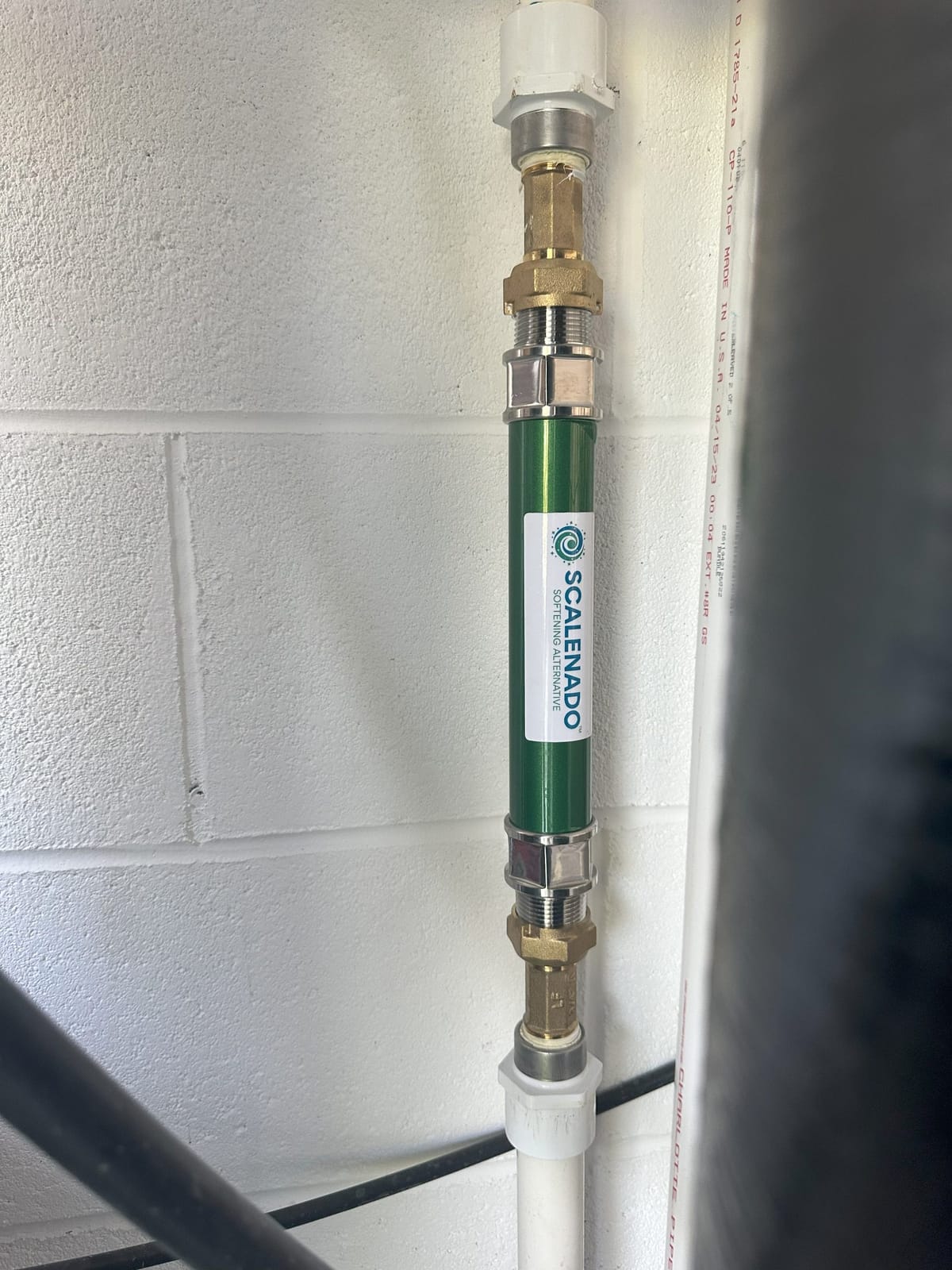
NaturalSof’s “Treat,” “Treat & Filter,” and “Purify” product lines are intentionally organized to provide this layered strategy. For example, a customer with hard city water and ongoing scale installed a NaturalSof NS1 “Scalenado” alongside whole house filtration. They reported no more shower glass scrubbing, no white spots, and improved water feel for their family—with no need to return to salt softeners or bottled water.

Step-by-Step: How to Decide What You Need
Step 1: Check Your Water Source and Quality
- Review your municipal water report or schedule a test with a local NaturalSof installer.
- Identify key issues: chlorine taste, limescale, specific contaminants (well owners: iron, manganese, hydrogen sulfide; city: chlorine, TDS).
Step 2: Clarify Your Goals
- Do you want better-tasting, scale-free water everywhere?
- Is bottled water consumption high in your home?
- Are there unique health needs or concerns?
Step 3: Weigh Ongoing Costs
- Compare the yearly cost of bottled water, appliance repairs, or salt softener supplies to expected investment in a NaturalSof solution.
- Many homeowners find a NaturalSof hybrid system pays for itself over a few years through long-term savings and convenience.
Common Misconceptions
“Should I use RO for the entire home?”
Industry expert consensus and experience show that using RO for all water in a house is unnecessary and wasteful. RO is best reserved for a single faucet, where you drink and cook, while whole house filtration handles everyday usage. A strategic, layered approach is most effective for comfort and safety without wasting resources.
“A salt softener is the only way to avoid scale.”
NaturalSof’s certified scale prevention systems offer effective, salt-free solutions. By converting calcium into non-bonding crystals, the system provides lasting appliance protection without the downsides of salt discharge, slippery water feel, or loss of healthy minerals. Several customers, including those in extremely hard water areas and commercial settings, confirm the effectiveness of NaturalSof’s proven catalytic technology.
“Whole house filters make water pure enough to drink for everyone.”
While household filtration considerably improves the water you bathe, clean, and wash with, ultra-pure drinking water requires the additional step of reverse osmosis, particularly if you have special health or water quality concerns.
Best Practices for Choosing Filtration Solutions
- Start with water quality testing to identify specific concerns
- Work with certified local experts to select and size the right system
- Opt for salt-free, low-maintenance systems where possible to reduce environmental impact and simplify home care
- Layer solutions (whole house + RO) for comprehensive protection and long-term cost effectiveness
Review our guide on the differences between salt-free water conditioners and traditional softeners for even more background on scale prevention.
Real-World NaturalSof Case Studies
- One family in Florida with well water at 27 grains per gallon installed an NS1 Scalenado after a dedicated well treatment system. They reported zero ongoing limescale and no maintenance for years.
- At San Diego State University Student Union Center, a labor-intensive ion exchange softener was replaced with a NaturalSof system, providing scale protection and improving operational efficiency.
- Homeowners consistently share that after NaturalSof installation, water quality improves instantly, cleaning is easier, and maintenance practically disappears.

FAQ: Whole House Filters vs. Reverse Osmosis
What is the difference between a whole house filter and reverse osmosis?
A whole house filter treats all incoming water, providing better taste, reducing chlorine, and preventing scale in pipes and fixtures. Reverse osmosis focuses on ultra-pure water at a single tap, removing nearly all dissolved solids, heavy metals, and contaminants for drinking and cooking.
Can I use RO for my entire home?
Technically possible, but not recommended. It is highly inefficient and costly. Most experts, including those at NaturalSof, recommend RO only at dedicated drinking/cooking faucets, paired with a whole house system for the rest of your water needs.
What are the benefits of salt-free scale prevention?
Salt-free systems, such as NaturalSof’s catalytic technology, prevent limescale by crystallizing minerals rather than removing them. This avoids salt bags, keeps beneficial calcium and magnesium, protects appliances, and does not add sodium to your water or the environment. Maintenance needs are minimal.
How often do I need to replace filters?
NaturalSof whole house carbon cartridges typically require replacement every 12–24 months, depending on usage and water quality. The RO membrane generally lasts 3–5 years, with pre and post filters changed annually. Maintenance is simple and manageable for most households.
Does whole house filtration remove all contaminants?
Whole house systems are effective for chlorine, chloramine, sediment, and many household water quality issues, but may not eliminate all dissolved substances. RO is recommended for maximum removal of dissolved solids and the broadest array of contaminants from drinking water.
Will I still need bottled water after these systems?
For the vast majority of families, a combination of a NaturalSof whole house and RO system eliminates the need for bottled water, providing excellent taste, safety, and cost savings straight from your tap.
Conclusion: Simplifying Your Decision
Your best approach is to start by identifying the specific water issues in your home, then apply a layered solution using both whole house filtration and reverse osmosis where appropriate. NaturalSof designs systems and frameworks to address exactly these needs, with proven results in both residential and commercial settings across the country.
If you are ready for better tasting, healthier, maintenance-light water for your household, we recommend connecting with a certified NaturalSof installer for a free estimate and consultation. They will analyze your water, explain your options, and ensure you receive the right system for your family and home.
For more on salt-free water treatment and hard water solutions, explore our related resources—or contact us today and discover why NaturalSof is the industry’s trusted choice for sustainable, high-quality water filtration.